~Guest Post by the Snoqualmie Valley Historical Museum
Gold fever reached the Cascades soon after it swept across the American West.

Beginning in the 1850s, prospectors pushed into the mountains surrounding the Snoqualmie Valley searching for gold, silver, copper, lead, and iron. Some found promising deposits. A few mines produced valuable ore. But most never became the bonanzas their owners imagined.
Even so, mining left a lasting mark on the Snoqualmie Valley and Cascade Mountains. Prospectors opened trails, mining companies built camps and transportation systems, and the search for minerals helped drive the development of roads and railroads into some of the most remote country in the region.
Following the Mountains Into the Unknown
The first prospectors were looking primarily for gold.
Many had already traveled through California or the Fraser River gold fields of British Columbia. Others came from Oregon and California, following rumors of mineral wealth into Washington’s mountains.
They initially searched streams for placer gold before turning their attention to veins of ore embedded in the mountains themselves.
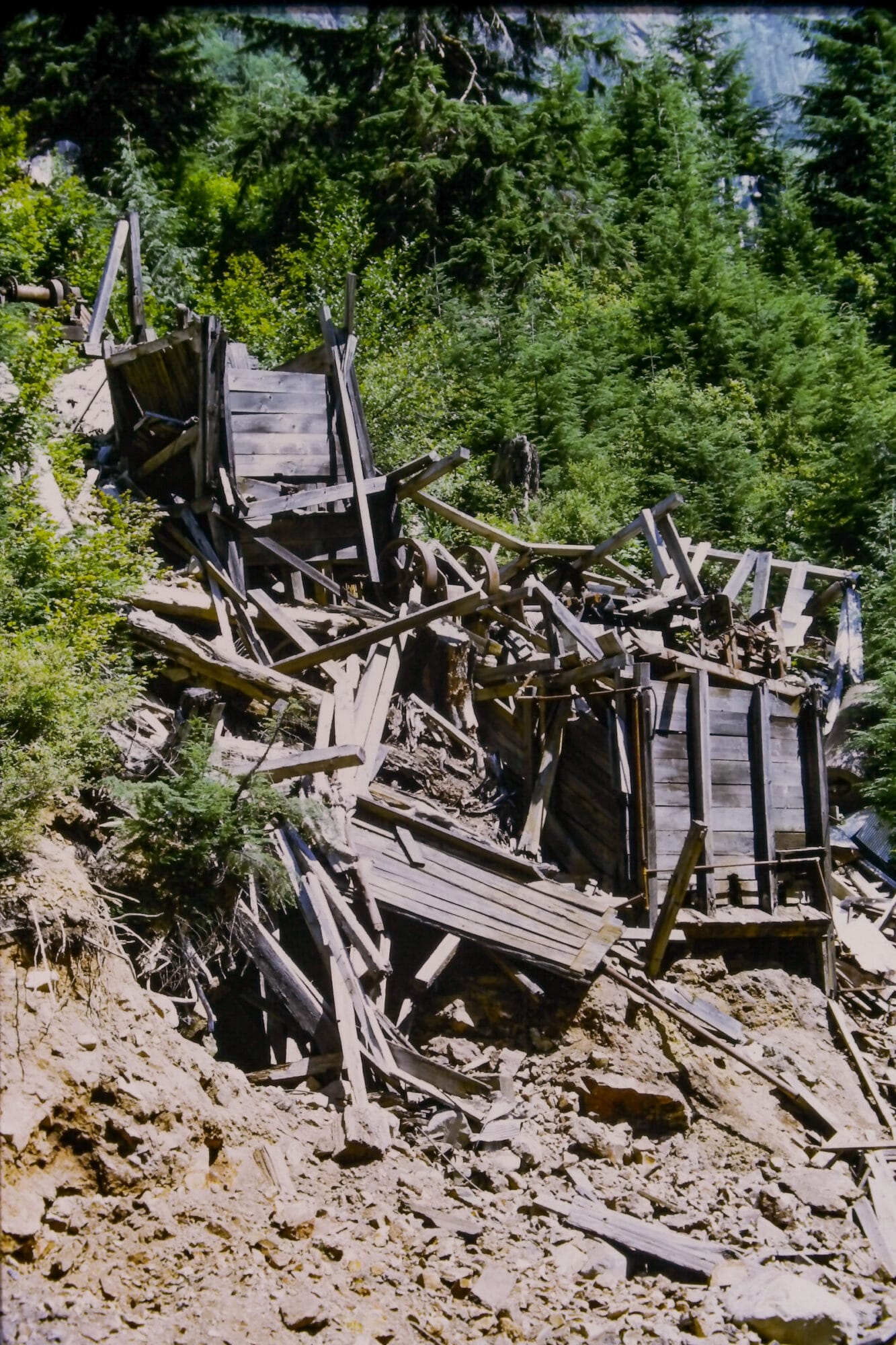
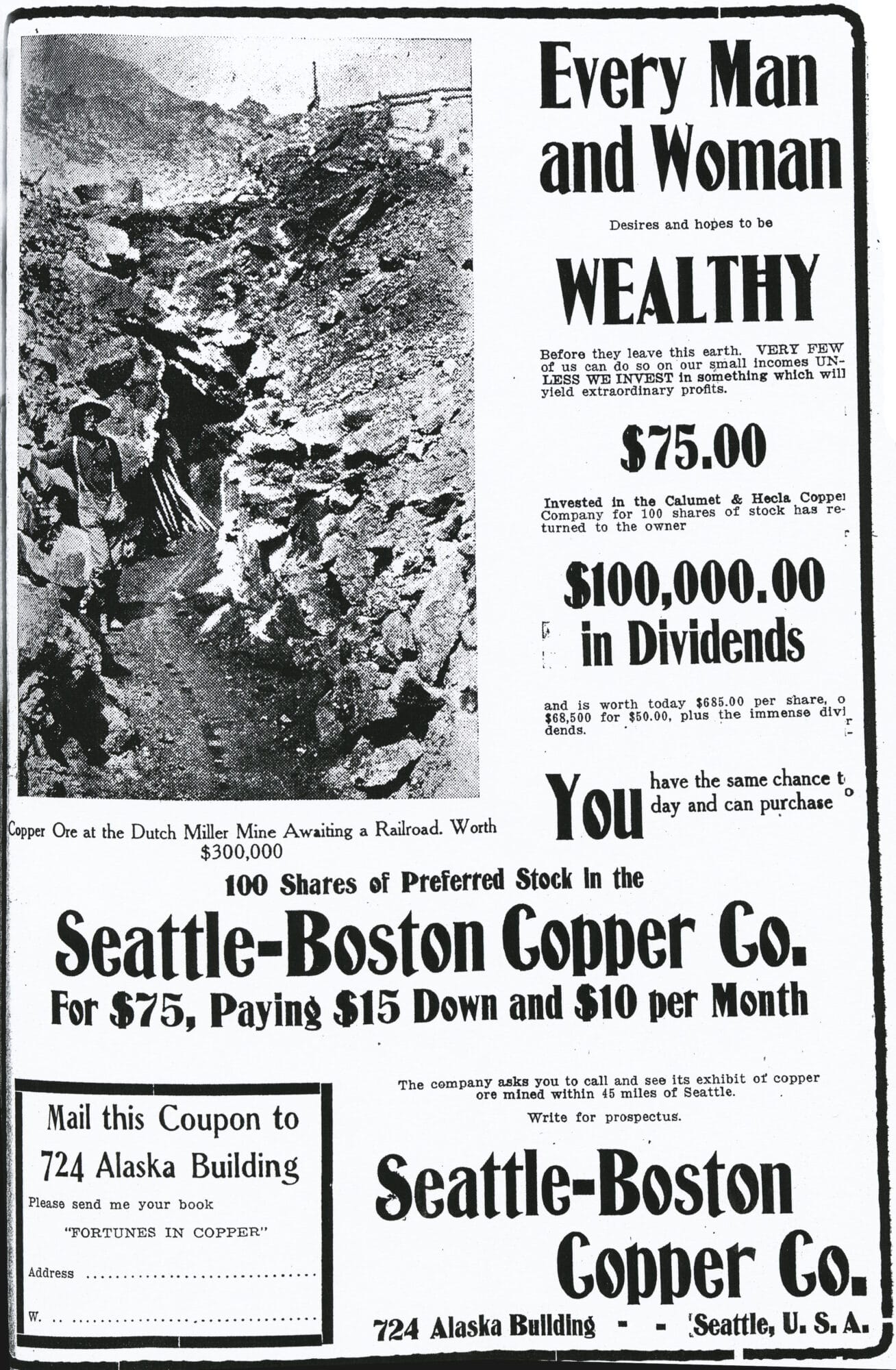
The work was extraordinarily difficult.
The western slopes of the Cascades were covered in dense forests, steep slopes, rushing streams, and deep snow. Prospectors often traveled on foot, following streambeds or climbing steep mountainsides. They built rough trails and temporary cabins and camps, often working alone or in small groups.
The mining season was short. Snow slides and spring floods could destroy camps and fill shafts and tunnels with rock.
Yet prospectors kept coming.
The Snoqualmie People and Early Prospecting
The history of mining also intersects with the much older history of the Snoqualmie people.
In the 1860s, Seattle pioneer Arthur Denny led a prospecting expedition into the upper Cedar River country after receiving information from Snoqualmie people about a source of lead in the mountains.
The prospectors were entering a landscape that Indigenous people already knew well.
Native trails provided some of the earliest routes into the mountains, and those routes later became important to miners and other travelers. The knowledge of the landscape possessed by Indigenous people was an important part of the story of early exploration.
The Snoqualmie Mining District
The area eventually became known as the Snoqualmie Mining District, one of several mining districts established in eastern King County.
The Snoqualmie Wagon Road was the first major transportation route to reach many of the claims. Later, the Seattle, Lake Shore and Eastern Railroad promised connections to smelters and coastal shipping.
Mining depended on transportation.
A promising deposit was worth little if miners could not get equipment and supplies to it—or get the ore back out.
One of the most ambitious early ventures involved Arthur Denny’s iron claims near what became known as Denny Mountain.
Denny had located iron ore in the area in the late 1860s. In the early 1880s, he returned with other Seattle investors and explored several iron ledges. Their efforts eventually led to the creation of the Denny Iron Mines Company in 1882.
The deposits appeared promising enough that they might supply a new smelter and steel mill being developed on Lake Washington. But the collapse of that venture during the financial Panic of 1893 brought development of the Denny mines to a halt.
The iron remained in the mountain.

The Guye Iron Mine
Another prominent figure was Francis M. Guye, a former California prospector who had followed the Fraser River Gold Rush before settling in the Puget Sound region.
Guye returned to mining and filed numerous claims around the Snoqualmie Valley during the 1890s.
A trail about a mile long branched from the Snoqualmie Wagon Road at Snoqualmie Pass to reach the Guye Iron Mine. The mountain later became known as Guye Mountain.
Guye and his family also developed the Green Mountain group of iron claims between the North and Middle Forks of the Snoqualmie River.
The names Denny Mountain and Guye Mountain remain on today’s maps—a reminder that the history of mining is literally written into the landscape.
Beyond the Snoqualmie District
The mountains east and north of the Valley contained several other important mining districts.
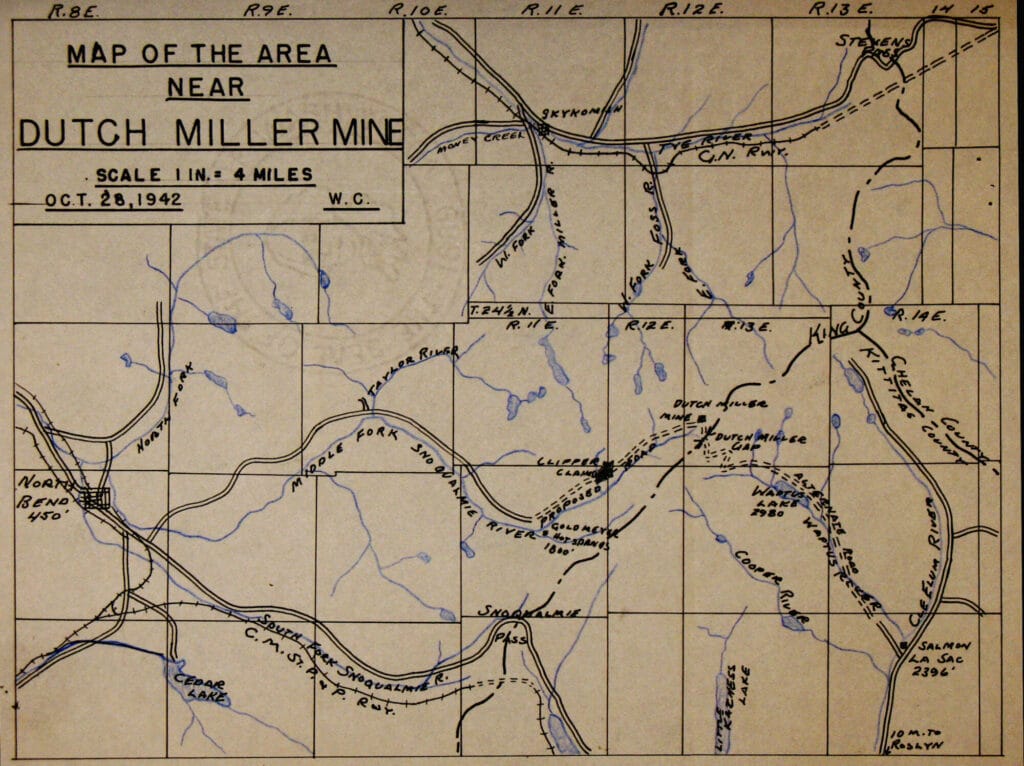
The Miller River, Money Creek, Buena Vista, and Cedar River districts all attracted prospectors and investors. The Miller River District, for example, began developing in 1892, just as the Great Northern Railroad was being constructed through the region.
At Coney Creek, the Baltimore and Seattle Mining and Reduction Company developed mines that produced ore containing gold, silver, copper, zinc, and lead.
The operation even had its own hydroelectric plant to provide power for electric air compressors and drilling equipment.
Twenty men worked at the mines in two shifts and lived in camps along Coney Creek. A tramway helped move materials between the mine workings and the trail below.
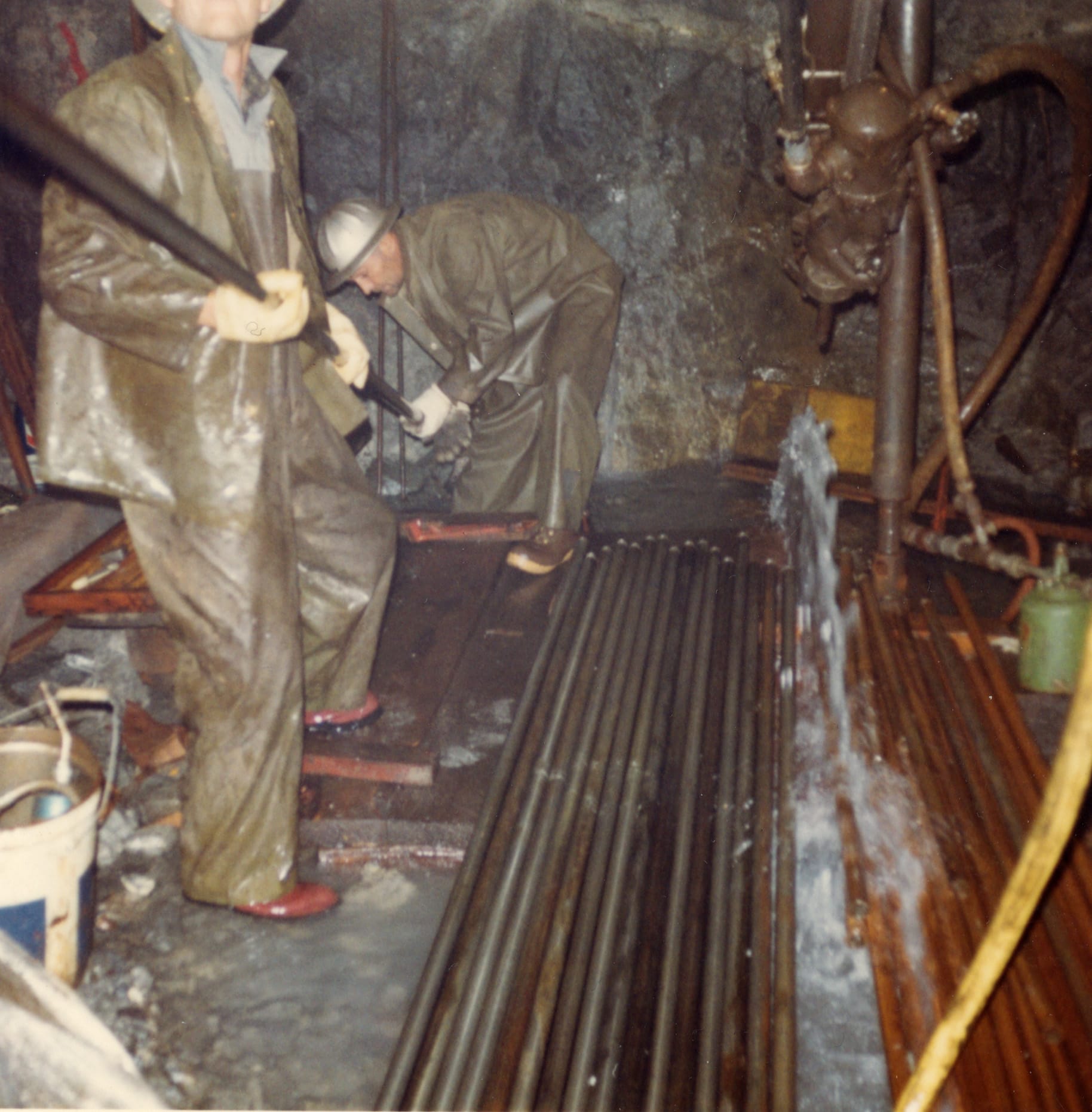
But in 1897, an explosion killed several people, and lawsuits followed. The company eventually closed.
Mining could be dangerous as well as difficult.
The Apex Mine
One of the more successful mines in the region was the Apex Mine at the head of Money Creek.
Prospector Alex McCartney discovered a ledge of galena and copper and initially transported nearly 400 tons of ore by pack mule.
Think about that for a moment: hundreds of tons of ore being moved through the Cascade Mountains by mule before there was adequate transportation to the mine.
Eventually, the mine changed hands and received greater investment. An aerial tramway was constructed, roads were improved, and eventually a narrow-gauge railroad reached the property.
The Apex Mine reportedly produced tens of thousands of dollars’ worth of ore between 1892 and 1901 and became one of the larger producers in the region.
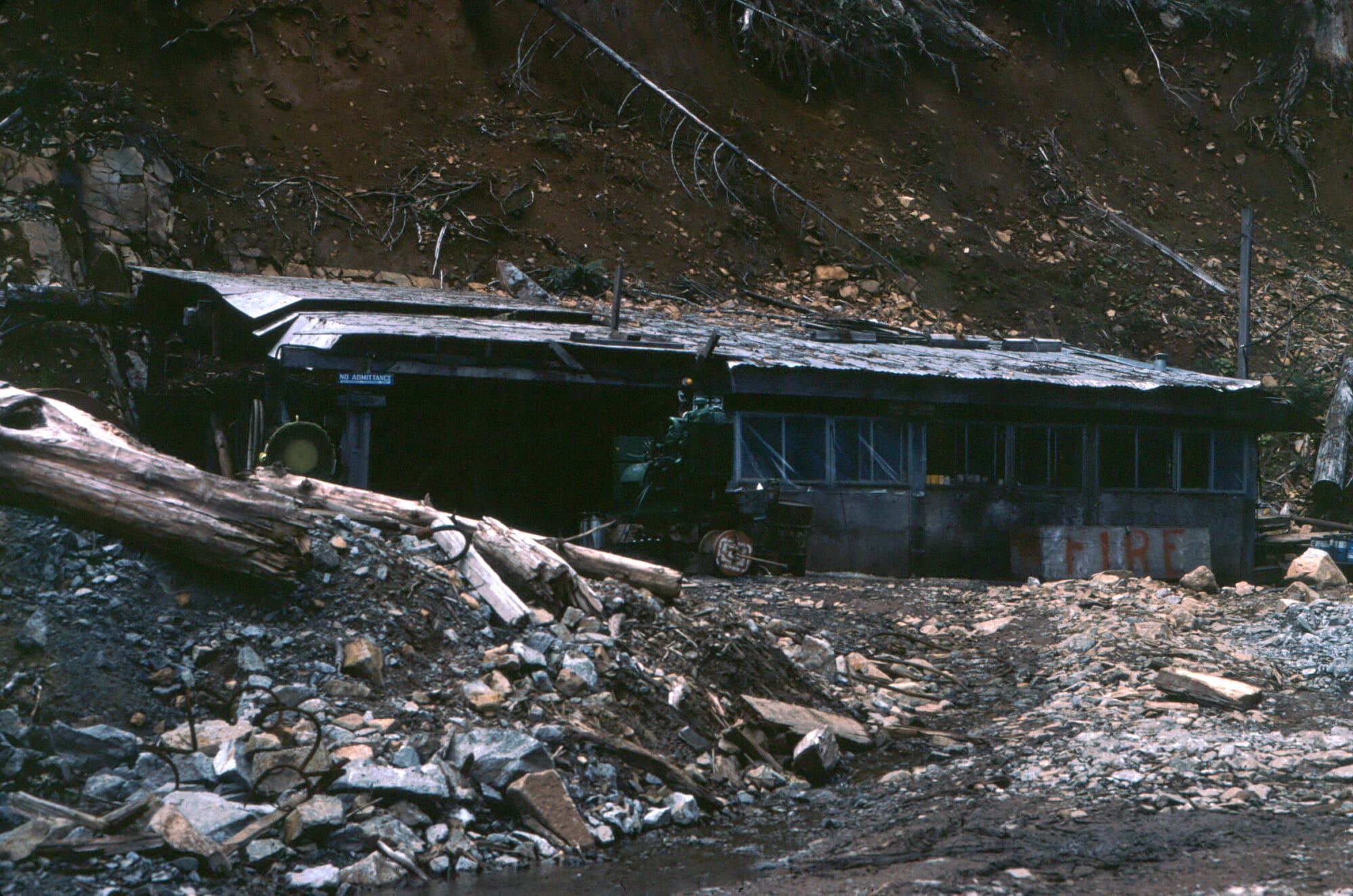
Its history demonstrates one of the central themes of Cascade mining: the mine could only become productive when transportation caught up with the mineral deposit.
Mining Builds Roads and Railroads
Mining and transportation developed together.
Early miners relied on pack animals and crude trails. As promising discoveries attracted investment, companies built better roads, tramways, and narrow-gauge railroads.
The main railroads also became gateways into the mountains.
The Seattle, Lake Shore and Eastern Railroad brought prospectors and supplies into the Snoqualmie Valley, while the Great Northern opened access to mining areas farther north and east.
Railroads did not just transport ore.
They carried people, food, tools, lumber, machinery, and everything else required to keep remote mining communities alive.

Small settlements appeared near mines and transportation routes. Some lasted only as long as the mine did.
The Dream and the Reality
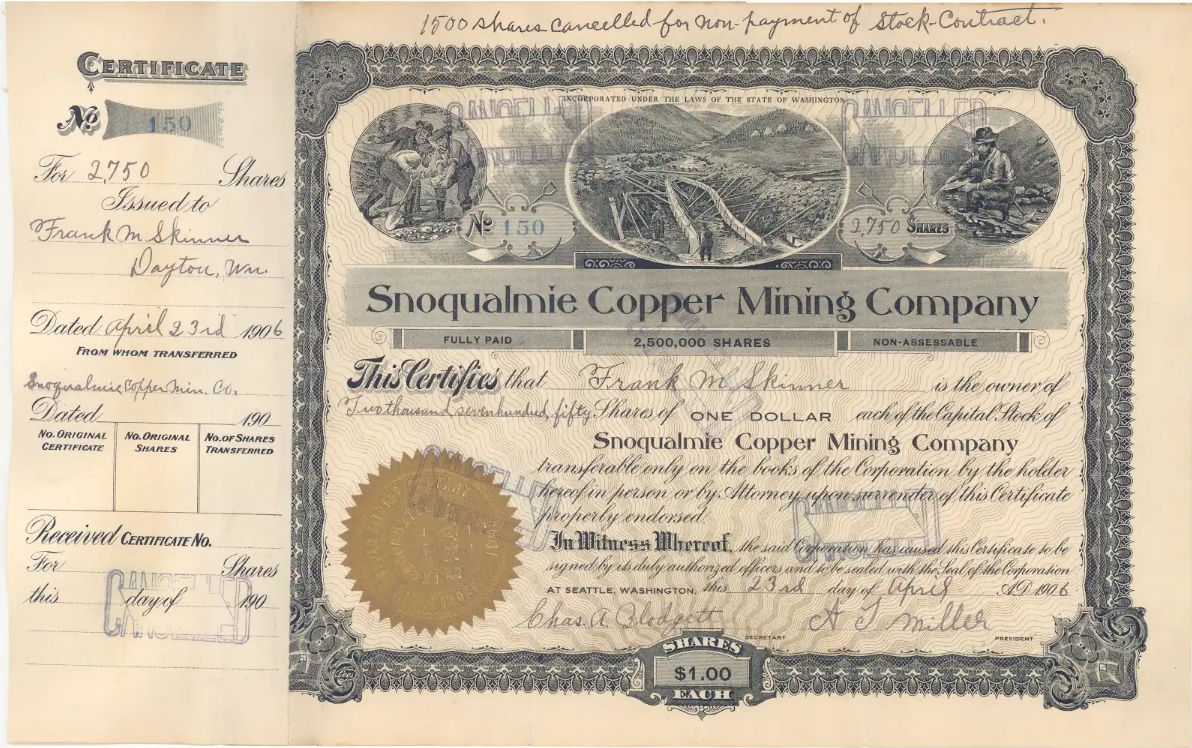
The mountains were full of mineral possibilities, but turning a claim into a profitable mine was another matter.
The difficult terrain, heavy snowfall, dense forests, flooding, unstable geology, transportation costs, and limited length of the mining season made development extremely expensive.
Many mines produced little or no commercial profit.
The historic record is therefore filled with ambitious claims that never became major producers.
That is part of the story.
Mining history is not only the history of successful mines. It is also the history of thousands of people who spent years searching, digging, investing, hauling, building, and hoping.
A Legacy in the Landscape
By the early twentieth century, much of the excitement surrounding mining in the Snoqualmie Mountains had faded.
The large bonanzas that investors had imagined were rare. Timber, agriculture, and hydroelectric power ultimately became much more important to the economy of the Snoqualmie Valley.
But the miners left traces behind.
Old trails, mine openings, camps, roads, tramways, railroad grades, and place names remain scattered throughout the mountains.
Some of the most familiar names on today’s maps—Denny Mountain, Guye Mountain, Money Creek, Miller River, and Prospectors Ridge—are reminders of this era.
Mining also helped accomplish something that was perhaps more important than the ore itself.
It encouraged people to build ways into the mountains.
And once those roads and railroads existed, they could be used by loggers, surveyors, farmers, tourists, and communities.
The search for gold and other minerals helped open the Cascades to the outside world.
More Than a Search for Gold
The mining history of the Snoqualmie Valley is ultimately a story of ambition and persistence.
Prospectors entered some of the most difficult terrain in the Pacific Northwest chasing rumors of wealth. Most did not become rich. Many claims failed. Some mines lasted only a few years.
But their efforts changed the landscape.
They mapped mountains, followed trails, built roads, created camps, developed transportation, and connected remote parts of the Cascades with the communities of the Snoqualmie Valley and Puget Sound.
The next time you drive over Snoqualmie Pass or hike into the mountains east of the Valley, look at the landscape a little differently.
Somewhere beneath those forests and mountains are the traces of people who came here more than a century ago with little more than a pick, a shovel, a mule, and the hope that the next rock might make them rich.
[All images courtesy of the Snoqualmie Valley Historical Museum]