~Guest Post by the Snoqualmie Valley Historical Museum
The Snoqualmie Valley has always been a place people traveled through.

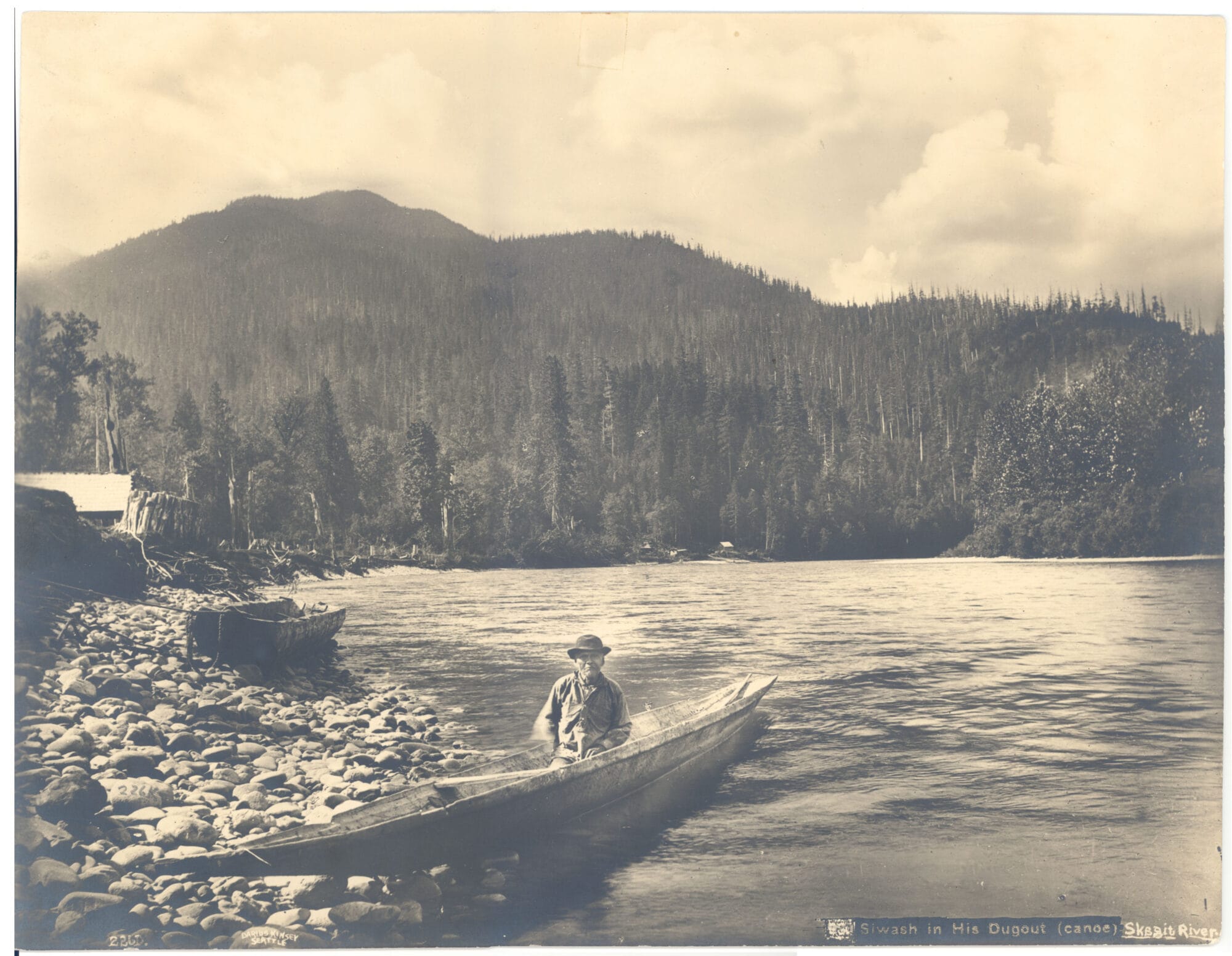
Long before highways, railroads, or even wagon roads, Native trails connected the Valley to communities on both sides of the Cascade Mountains. For the Snoqualmie people, the Valley was not an isolated place. It was a homeland, a place of food and community, and part of a network of travel and trade extending across the region.
The arrival of American settlers did not create the Valley’s transportation network. Instead, they built upon routes that already existed—and the roads and railroads that followed would transform the Valley forever.
They are the threads that tie together the history of the people who have called the Snoqualmie Valley home.
A Valley at the Crossroads
The mountains have always made travel between western and eastern Washington difficult. Snoqualmie Pass offered one of the most practical routes across the Cascades.
In the 1850s, government surveyors explored Native trails through the mountains as possible routes for transportation. The trails were later used by miners and outfitters traveling toward the gold fields.
By 1867, a wagon road connected Seattle with the communities east of the Cascades through Snoqualmie Pass.
The new road changed the region’s economy. Cattlemen could drive livestock over the mountains to Seattle rather than shipping them by the more expensive route through Portland. The road also allowed grain and other agricultural products from eastern Washington to reach Puget Sound.
For the young settlements of the Snoqualmie Valley, the road brought travelers, businesses, livestock, mail, supplies, and opportunity.
Transportation was beginning to turn the Valley from a remote place into a regional crossroads.
The Railroad Changes Everything
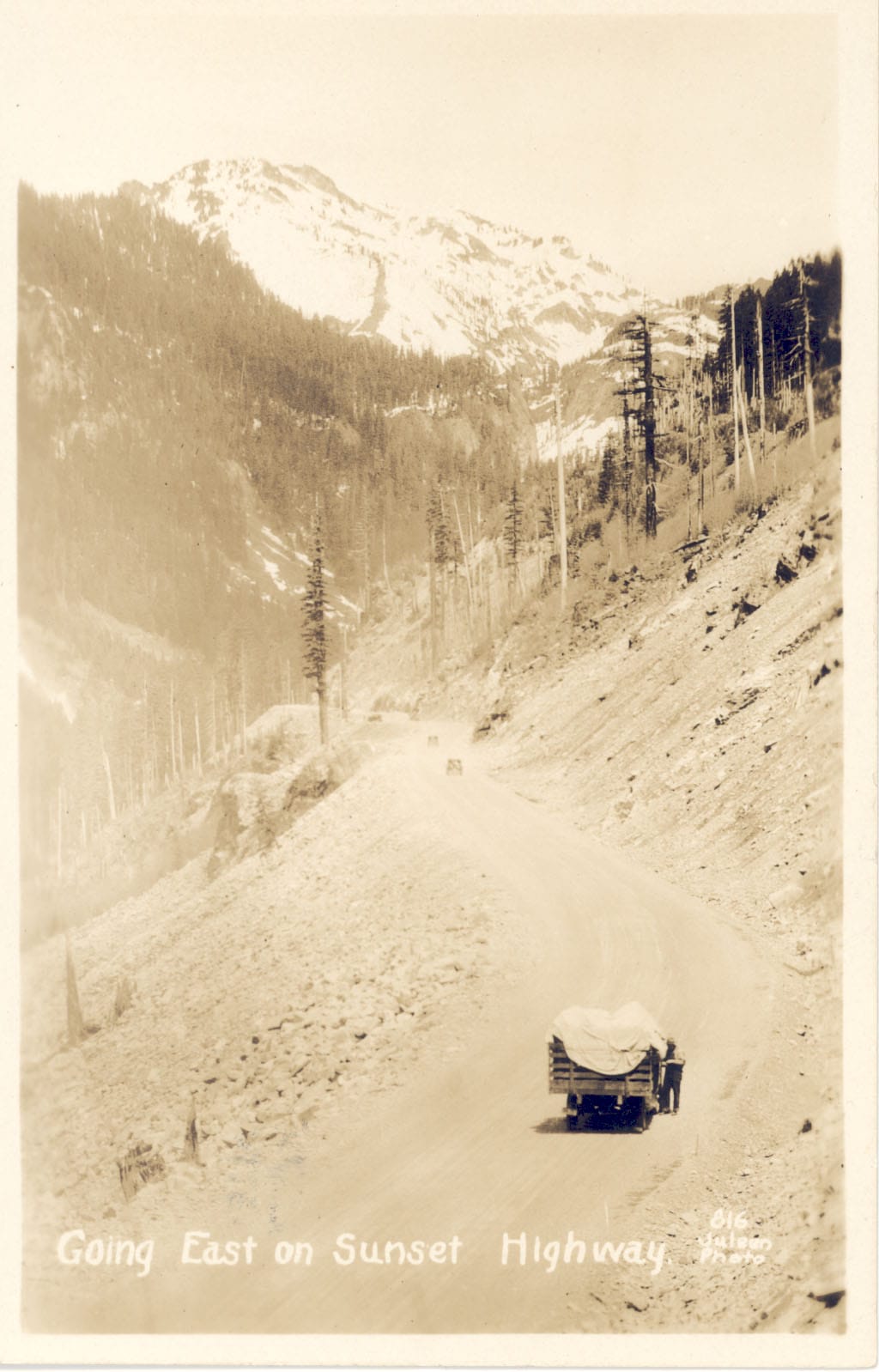
The biggest transformation came with the railroad.
Seattle business interests formed the Seattle, Lake Shore and Eastern Railway in an effort to connect Seattle with the transcontinental railroad network. The line reached Fall City in 1888 and Snoqualmie and North Bend in 1889.
The arrival of the railroad changed the Valley almost overnight.
Land speculation accelerated. Towns were platted. New residents arrived. Businesses opened. Tourists could visit the Valley more easily, while farmers and lumbermen suddenly had access to distant markets.
The railroad also made the Valley’s natural resources far more valuable.
Timber that had once been extremely difficult to move could now be shipped by rail. Agricultural products could reach Seattle. Supplies and equipment could come into the Valley. The railroad connected local farms, mills, stores, and businesses to an economy that stretched far beyond the mountains.
The Snoqualmie Valley was no longer on the edge of the region.
It was becoming part of its center.
Timber Builds an Industrial Valley
The railroad helped unleash the Valley’s enormous timber resources.

Small sawmills had already begun operating in the Valley. In 1873, Watson Allen established a water-powered mill on Tokul Creek near what became Fall City. By the late nineteenth century, logging operations were working along the Snoqualmie River.
Rail transportation allowed the industry to expand into the mountains.
Logging railroads pushed deeper into the forests, bringing logs to mills and allowing companies to harvest timber that previously could not be economically transported. By the early twentieth century, large industrial operations had transformed the landscape.
In 1916, the Snoqualmie Falls Lumber Company began construction of two large mills and a company town near Snoqualmie. The company built an extensive logging railroad network to move timber from the surrounding mountains.
The mill created hundreds of jobs and helped establish the industrial character of Snoqualmie for generations.
Transportation had not simply carried people into the Valley.
It had created an industry.
Agriculture Finds a Market
The same transportation network transformed farming.
Early farmers produced much of their own food, but roads and railroads gave them access to urban consumers. Cattle could be driven through the Valley and over the mountains. Crops could be shipped to Seattle. Dairy farmers could sell milk to growing communities.
The Valley’s agricultural landscape changed repeatedly in response to markets.
The enormous Snoqualmie Valley Hop Ranch was established in 1882 and eventually covered more than 1,000 acres, with several hundred acres planted in hops. Thousands of seasonal workers came to the Valley during the harvest.
When the hop industry declined, dairying became increasingly important. Improved transportation helped farmers get milk to market, while the Valley’s abundant grass and hay made it well suited to dairy farming.
Transportation turned agriculture from a largely local activity into a commercial enterprise.
Mining the Mountains
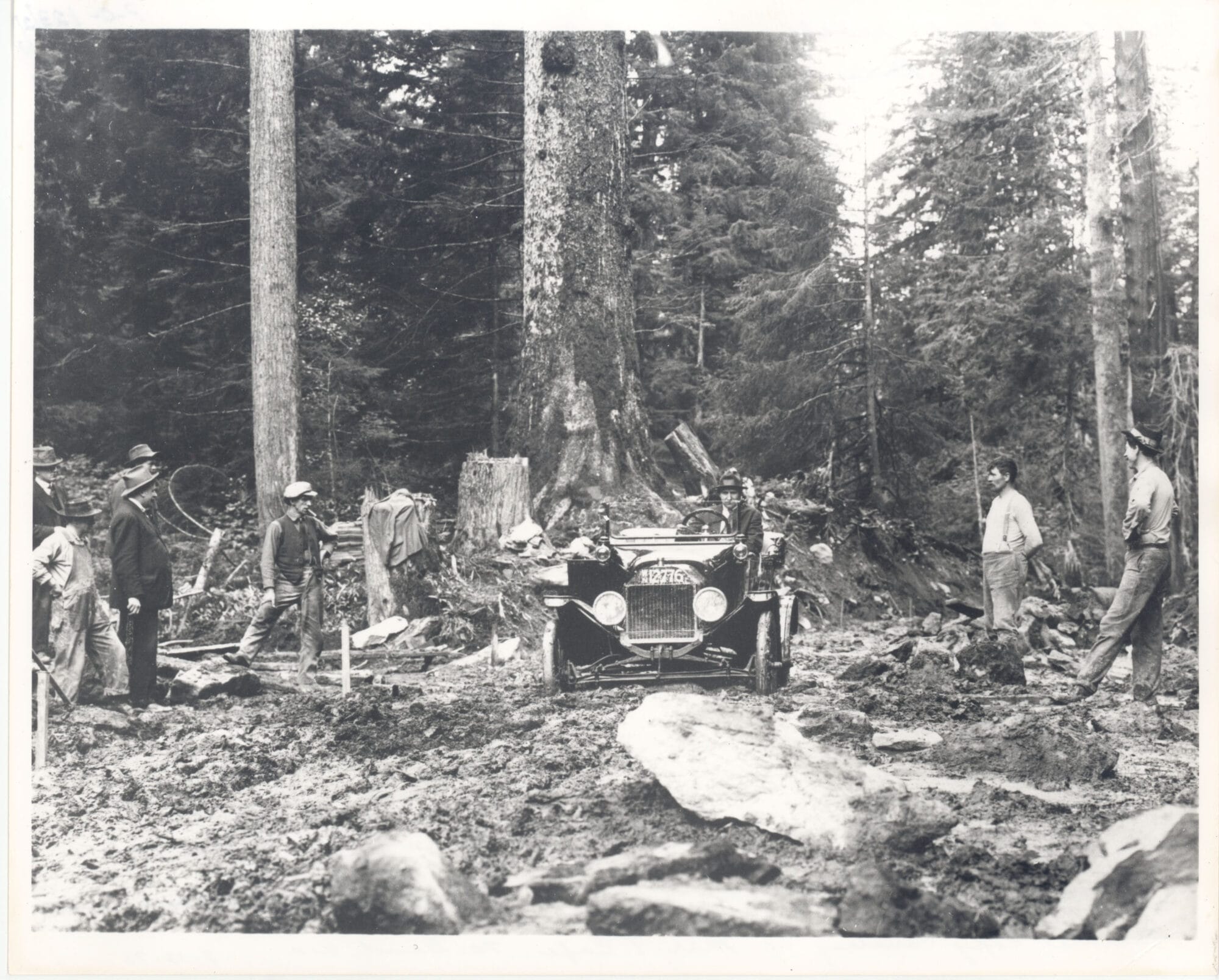
Railroads and roads also encouraged prospectors to explore the mountains surrounding the Valley.
Gold, silver, copper, lead, iron, and other minerals attracted miners and investors. Some mines employed substantial crews, while others remained small or never became commercially successful.
The difficulty of reaching these remote claims illustrates just how important transportation was. Some mines required long trails, pack animals, tramways, or narrow-gauge railroads to move ore to the main transportation network.
Even when mining operations disappeared, the roads, trails, camps, and rail lines they created became part of the Valley’s historic landscape.
Power From the Falls
Then there was Snoqualmie Falls.
In the 1890s, engineers developed a remarkable underground hydroelectric power plant beneath the Falls. Electricity generated there could be transmitted to growing cities, including Seattle and Tacoma.
The project demonstrated another way the Valley’s geography could be connected to the larger region.
The Valley was no longer simply exporting timber, agricultural products, and minerals.

It was exporting electricity.
The power plant also created jobs and a small community at the Falls. A second powerhouse was added in 1911 as the operation expanded.
A Valley of People on the Move
The transportation revolution brought more than settlers and businessmen.
Workers came from many places and backgrounds to build railroads, harvest hops, cut timber, operate mills, work on farms, and develop mines. The industrial workforce included immigrants and Native workers, and the Valley’s communities reflected this increasingly diverse population.
The historic landscape that developed around transportation and industry included hotels, boarding houses, stores, worker housing, depots, churches, farms, mills, and company towns.
Communities grew because people needed places to live and services to support the industries that transportation had made possible.
From Railroad to Highway
The Valley’s transportation story did not end with the railroad.
Automobiles and highways eventually changed the relationship between the Valley and the rest of the region once again. Improved roads made travel faster and encouraged commuting, tourism, and new patterns of development.
At the same time, highways could bypass the historic town centers that had grown up around railroad lines.
The Valley’s communities have continued to evolve as transportation changed—from Native trails to wagon roads, railroads, automobiles, and modern highways.
The Road Beneath Our Feet
It is easy to overlook transportation when looking at the Valley today.
A railroad depot may look like an attractive historic building. An old road may seem like nothing more than a route through the countryside. A former mill site may be difficult to recognize. A trail through the mountains may appear to be simply recreational.
But these places tell a larger story.
The Snoqualmie Valley became important not simply because it contained valuable timber, fertile farmland, a spectacular waterfall, or mineral deposits.
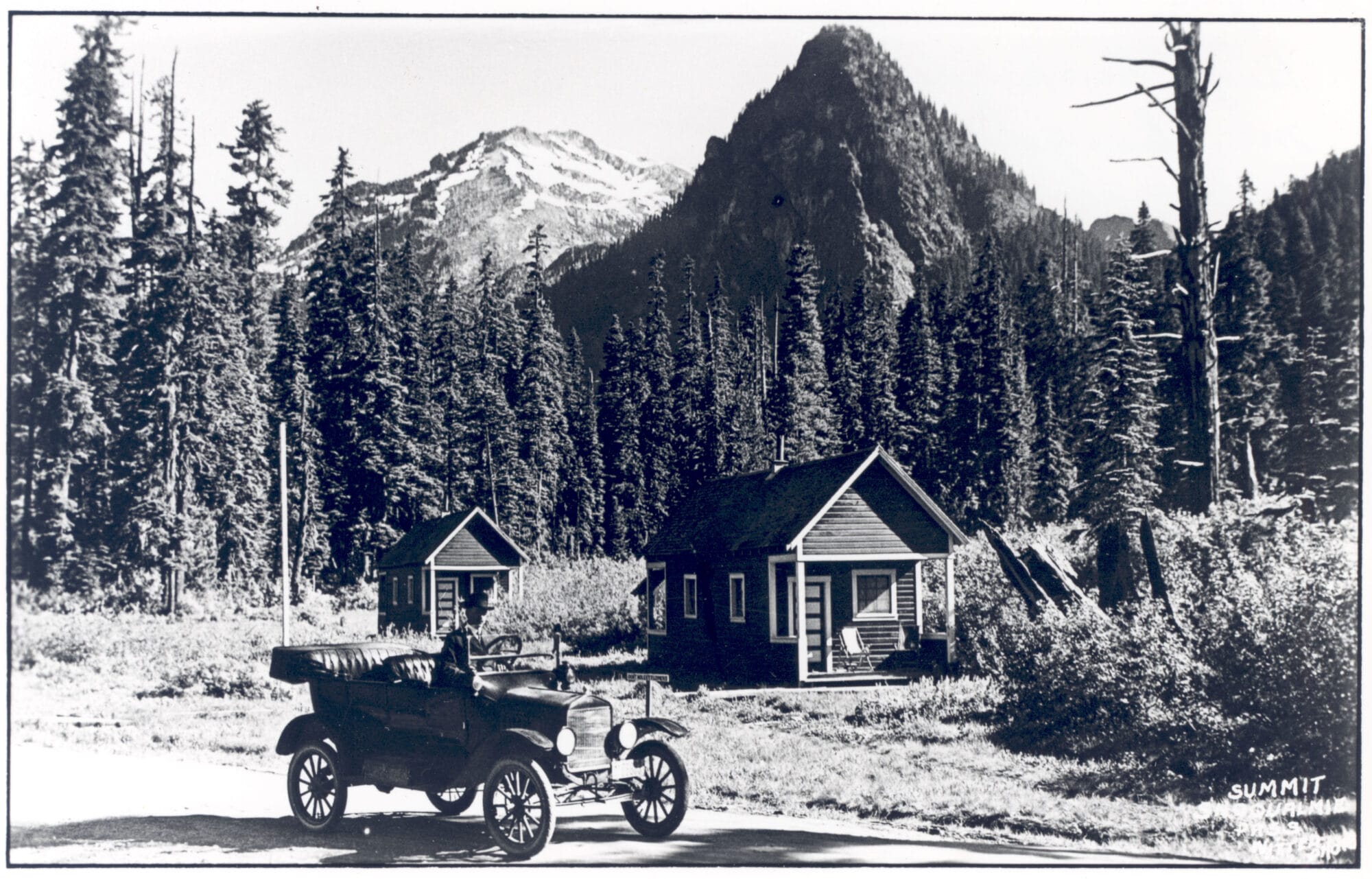
It became important because people could reach it—and could move what they found here to somewhere else.
The routes through the Valley connected Indigenous communities long before American settlement. Later, roads and railroads connected farms and mills to Seattle. Electricity traveled from Snoqualmie Falls to urban markets. Timber traveled from mountain forests to mills and markets across the country.
Transportation turned geography into opportunity.
And that may be the most important thing to understand about Snoqualmie Valley history: the Valley has never been isolated. It has always been a place of connection.
The roads, rails, rivers, trails, and passes that cross this landscape are not just transportation routes.
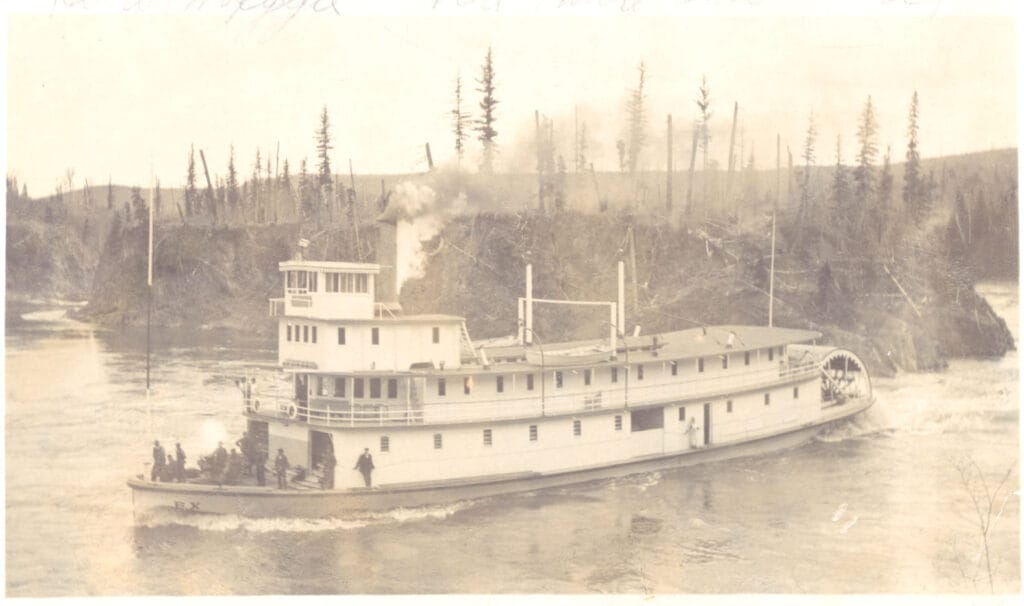
[All images courtesy of Snoqualmie Valley Historical Museum. Featured image: PO-308-78- Paddle wheel riverboat- River boats]