What do a 19th-century prairie, a historic railway, a pioneering dairy farm, a 14th-century English village, and a small local history museum have in common?

This September, they will all come together in the Snoqualmie Valley as the Snoqualmie Valley Museum hosts the Association for Living History, Farm and Agricultural Museums (ALHFAM) Western U.S. Regional Conference, September 18–20.
The conference, titled “What Works in the West,” will bring museum professionals, interpreters, historians, educators, and living-history practitioners from throughout the Western United States to the Snoqualmie Valley to share ideas and explore the region’s history. ALHFAM describes the conference as an opportunity to explore the diverse histories of the West while learning how museums and historic sites are interpreting agriculture, transportation, culture, and everyday life.
For the Snoqualmie Valley Museum, serving as the local host is an exciting opportunity to introduce colleagues from across the West to the Valley’s history and historic sites.
An evening at the Snoqualmie Valley Museum
The conference begins Friday evening, September 18, with a special “Salted, Smoked, and Pickled” reception at the Snoqualmie Valley Museum in North Bend.
The informal potluck will invite conference participants to bring a salted, smoked, or pickled appetizer representing their own community or region. Guests will also have the opportunity to learn about the Snoqualmie Valley Museum and see the progress of its current capital project.
The reception offers a fitting beginning to a conference devoted to the ways museums bring history to life. Food preservation, after all, is itself a form of history—connecting us with the skills, ingredients, technologies, and traditions of earlier generations.
Exploring the history of Snoqualmie Prairie
Saturday’s program will take participants beyond the conference room and into the landscape of the Snoqualmie Valley.
Following morning sessions at the Snoqualmie Casino and Hotel, conference attendees will hear a presentation on the cultural significance of Snoqualmie Prairie from Snoqualmie Tribe member Sabeqwa De Los Angeles and tribal staff member Greg Watson. The presentation will be followed by a visit to Meadowbrook Farm.
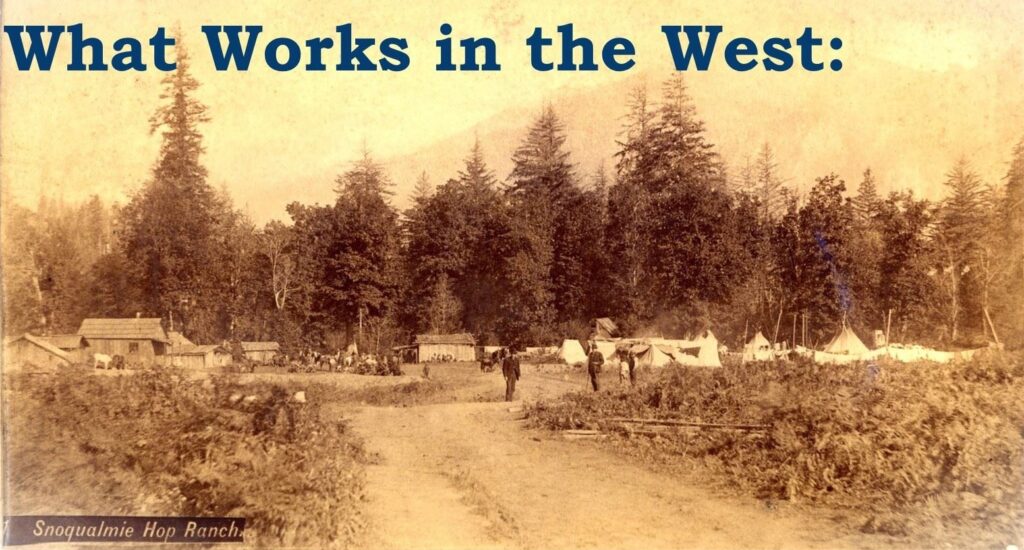
Meadowbrook Farm occupies a portion of what was historically Snoqualmie Prairie, the largest traditionally tended prairie in the Valley. The land later became the site of the World’s Largest Hop Ranch and subsequently a dairy farm. Today, the 460-acre property is a scenic and historic public open space on the Snoqualmie Valley floor.

The visit demonstrates one of the central themes of the conference: landscapes have many layers of history. Understanding those layers—from Indigenous stewardship to agricultural development and today’s public open space—allows visitors to see familiar places in new ways.
“The Railway Changed Everything”
Saturday afternoon continues with a visit to the Northwest Railway Museum in Snoqualmie.

Conference participants will board the museum’s interpretive train at 4:05 p.m., followed by an educator-led experience at the Railway History Campus. They will tour the Train Shed Exhibit Hall and Conservation and Restoration Workshop and see current restoration projects firsthand.
The railroad is an especially important part of Snoqualmie Valley history. Its arrival transformed transportation, commerce, settlement, tourism, and the movement of agricultural products and timber. For the conference attendees, the railway provides another example of how historic sites can use objects, places, landscapes, and hands-on experiences to help visitors understand the past.
A day in the Lower Valley
Sunday takes the conference into the Lower Snoqualmie Valley, beginning with a visit to Carnation Farms.
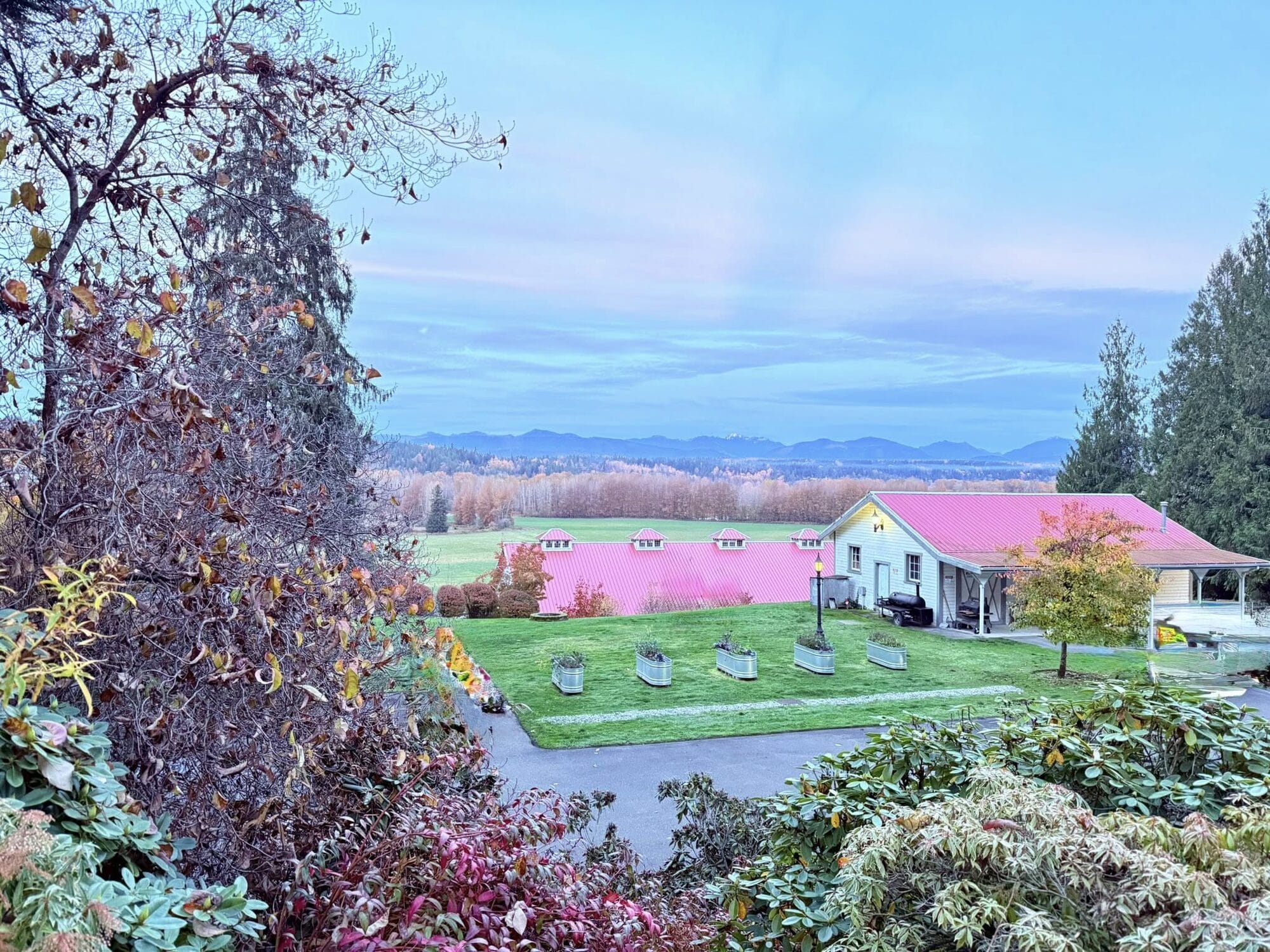
The historic farm traces its origins to 1908 as a pioneering dairy and has evolved into a nonprofit center focused on regenerative agriculture, food education, community, and a resilient regional food system.
From Carnation, participants will travel to Dougherty Farmstead in Duvall, one of the oldest surviving historic farmsteads in the Snoqualmie River Valley. The property was designated a King County landmark in 1983 and a Washington State landmark in 2004 and is listed on the National Register of Historic Places.
The final stop will be one of the Valley’s most unexpected historic experiences: Camlann Medieval Village in Carnation.
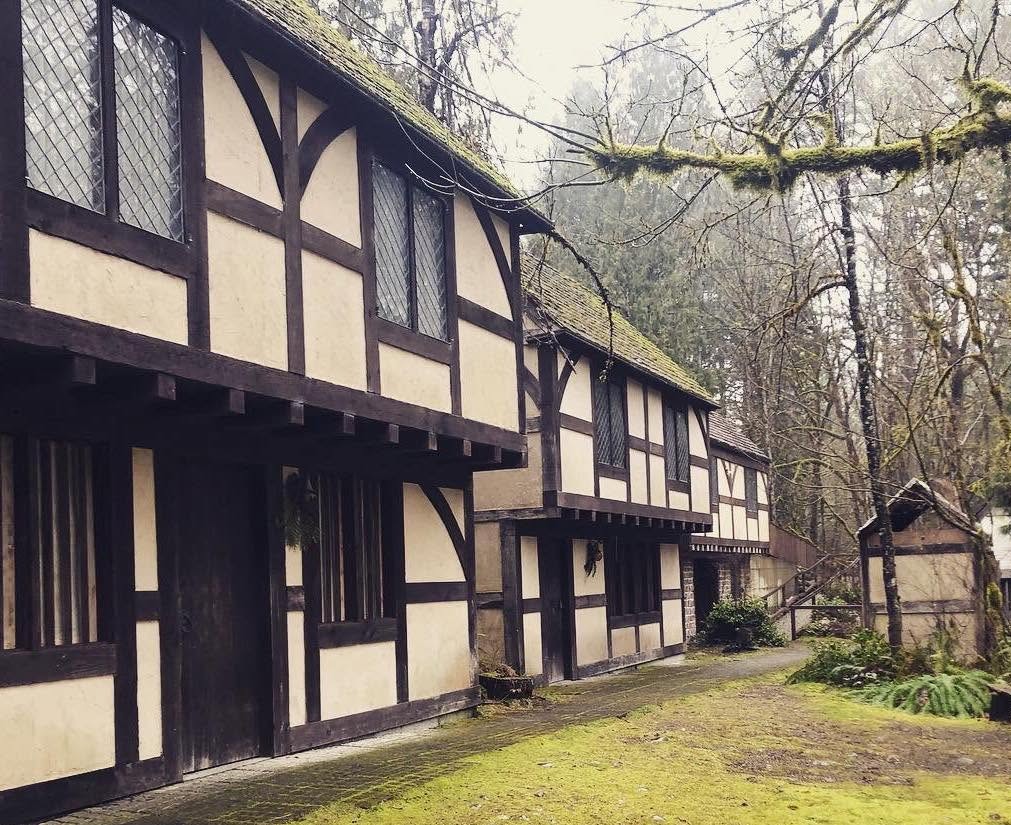
Camlann is a living-history museum project recreating daily life in a small rural village in southwest England in 1376. The conference will conclude with a feast at Camlann, giving participants an opportunity to experience living history through food, interpretation, and recreated historical environments.
Why the Snoqualmie Valley?
Although the conference is focused on living-history, farm, and agricultural museums, its itinerary illustrates just how many different stories exist within the Snoqualmie Valley.

The Valley’s history isn’t contained in a single building or museum. It can be found in the prairie, farms, railroads, historic homes, working landscapes, cultural traditions, and the communities that continue to shape the region.
That makes the Snoqualmie Valley an especially appropriate place for museum professionals to gather and ask a fundamental question:
What works when it comes to bringing history to life?
The conference’s sessions will explore topics ranging from the fur trade and historic diaries to clothing, porch life, volunteer coordination, and methods for using primary sources to create richer experiences for visitors.
For the Snoqualmie Valley Museum, the conference is also an opportunity to share its work and learn from colleagues facing many of the same challenges and opportunities.
The museum’s mission is to collect, preserve, and share the history of the Snoqualmie Valley so that present and future generations can understand the past. Hosting museum colleagues from across the West is a natural extension of that mission.
And perhaps most importantly, it gives the Valley a chance to showcase the remarkable variety of history that exists right here at home.
Want to join the conference?
The ALHFAM Western U.S. Regional Conference takes place September 18–20, 2026, in Snoqualmie, Washington. Registration is open to both ALHFAM members and non-members. Tickets are available at: https://alhfam.org/event-6724181
Register for the ALHFAM Western U.S. Regional Conference
The conference is hosted at Snoqualmie Casino and Hotel, with site visits throughout the Snoqualmie Valley. The Snoqualmie Valley Museum’s Friday evening reception will take place at 320 Bendigo Blvd. S. in North Bend.

Special thanks to King County 4Culture for supporting the conference and the cultural work that helps make the region’s history accessible to visitors and residents alike.
This September, historians and living-history practitioners will come to the Snoqualmie Valley to learn from one another. Along the way, they’ll discover what Valley residents already know:
Around here, history isn’t just something you read about. It’s all around you.